
South Africa tribunal asked the question, “Is it Apartheid?”
May 2009
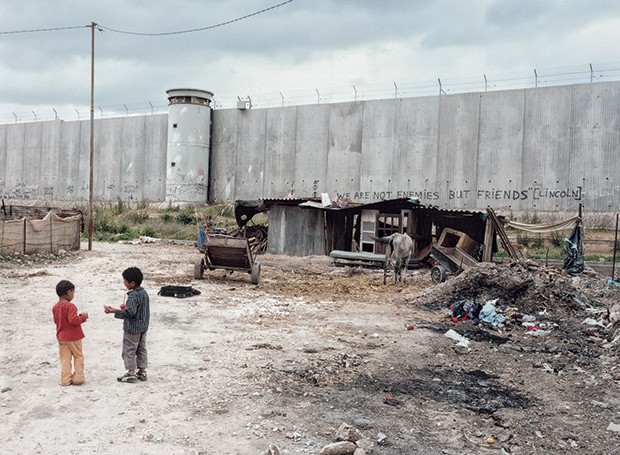
“The Government of South Africa, seeking to eliminate and prevent the kind of suffering the South African and Namibian people suffered under apartheid, commissioned a legal study of the Israel-Palestine situation.
An international team of legal and human rights scholars carried out this fifteen month collaborative study. They set out to examine legally the question: ‘Do Israel’s practices in occupied Palestinian territory, namely the West Bank, East Jerusalem and Gaza, amount to the crimes of colonialism and apartheid under international law?'”
The summary of their findings was prepared by UJPHL co-founder and current president, at the request of the Israeli Committee Against House Demolitions – USA.
Amnesty International concluded that Israel is an Apartheid State.
February 2022
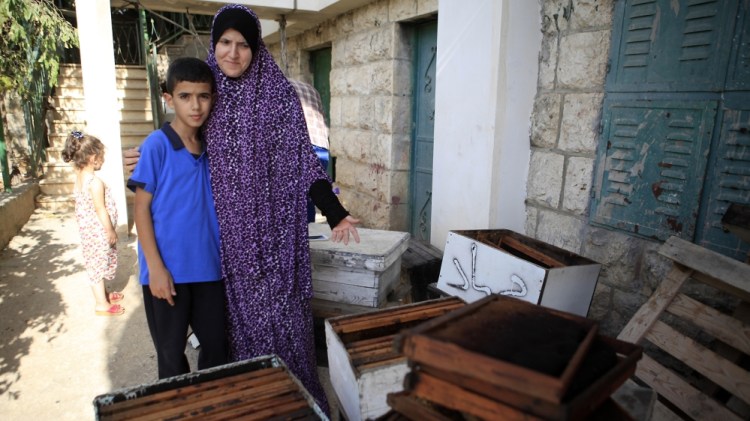
Amnesty International’s report, Israel’s apartheid against Palestinians: a cruel system of domination and crime against humanity shows “Israeli authorities impose a system of domination and oppression against the Palestinian people in Israel and the Occupied Palestinian Territories, and against Palestinian refugees. Laws, policies, and institutional practices all work to expel, fragment, and dispossess Palestinians of their land and property, and deprive Palestinians of their human rights. We conclude this treatment amounts to an institutionalized regime of oppression and domination defined as apartheid under international law.”
Now is the time to act.
A pressing call to “Do Justice to the Afflicted,” (Ps. 82:3)
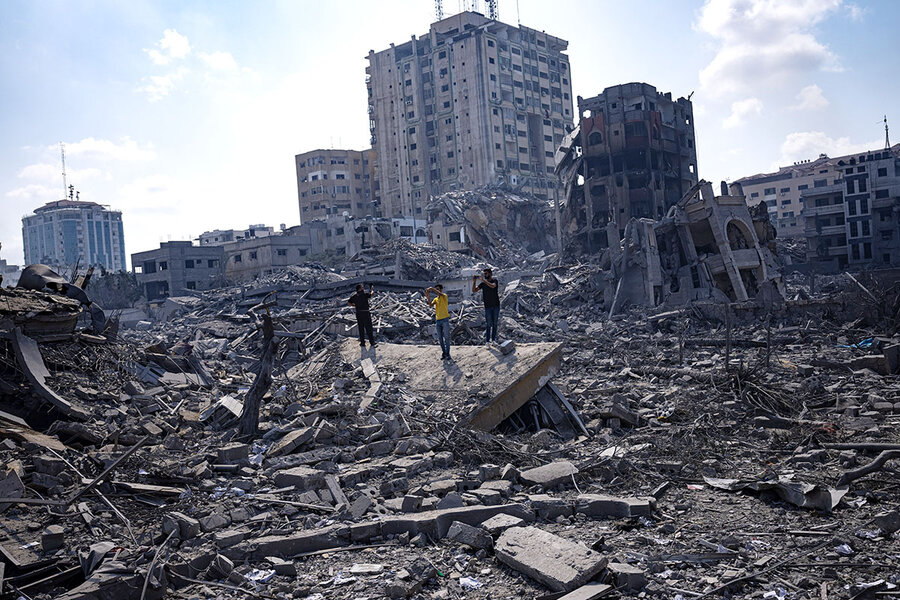
2022
Prepared By: Kairos Palestine and Global Kairos for Justice
“The cries of Palestinians have exposed their long and brutal experience of apartheid. As the Prophet Isaiah might proclaim, “The Lord sees it, too”—the injustice, truth stumbling in the public square. Faced with the undeniable truth of Israel’s apartheid, we know what the Lord requires of the Global Church: “To do justice, love kindness and walk humbly with our God (Micah 6:8).”
“Words matter. Churches are called to use the word apartheid. The word apartheid points— in both its definition in international law and its description of realities on the ground—to a truth. Truth matters, and it matters most when it is named. As churches recognize but hesitate to use the word, we fail to name a fundamental motivation for our taking up the ministry of Jesus ‘to bring good news to the poor, to proclaim release to captives, to let the oppressed go free (Luke 4:16ff).'”
“It’s true. By taking a clearly expressed stand against systemic injustice, bridges will be burned. Treasured ecumenical and interfaith relations may be broken, especially with those who benefit from the status quo. But to seek to be more “diplomatic,” to seek conciliatory approaches in a situation grounded in asymmetrical power imposed economically and militarily, is to avoid the harsh reality of Palestinians. We can expect that taking a prophetic stance will be disruptive to the dynamic of traditional dialogues. Yet, it is faithful: “Justice, and only justice, you shall pursue… (Deuteronomy 16:20).””
“How will your church, council, conference, region or synod respond? The biblical answer is clear. The theological answer is clear.
- Neutrality is not a faithful response.
- Denying or ignoring the reality of Israel as an Apartheid State according to the definitions of international law and ethical discernment is not a faithful response.
- Complicity with a situation of systemic oppression in the name of interfaith solidarity is not a faithful response.
- Theological and or biblical justification of oppression and injustice is both sin and heresy.
“May our faith compel us to intervene to right injustice, less our God be appalled (Is.59).”
 Utahns for a Just Peace in the Holy Land
You must be logged in to post a comment.